
Every time a commercial driver ‘takes a chance’ under a low bridge, it isn’t just a dent in a lorry or van – it’s a major disruption for thousands of Irish rail and road users.
Bridge strikes remain a persistent and expensive challenge for Irish Rail (Iarnród Éireann).
Bridge Strikes: the current situation
Data from a Freedom of Information (FOI) request to Irish Rail (Iarnród Éireann) has disclosed that bridge strikes continue to be a regular occurrence across the Republic of Ireland.
In the most recent recording period (Period 9 of 2025), four bridge strikes were officially recorded.
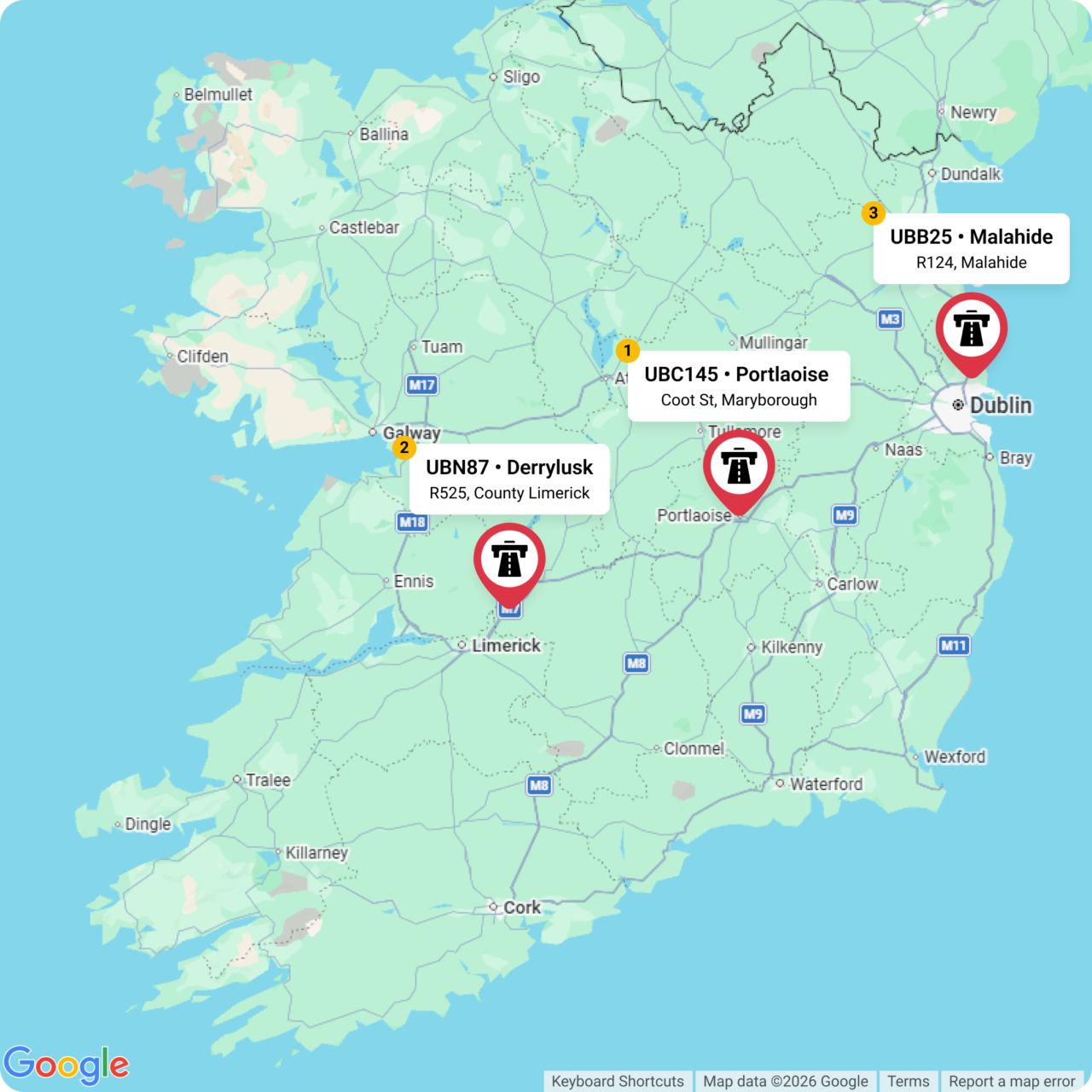
While these incidents can happen anywhere, certain bridges have become notorious hotspots for strikes over the last decade. Here’s the top three bridges:
- UBC145 – Portlaoise
- UBN87 – Derrylusk
- UBB25 – Grange/Malahide
Irrespective of where they occur, the financial burden of bridge strikes in Ireland over the last ten years has been significant with the financial burden carried by insurance providers, Irish Rail, fleet operators as well as rail and road users.
Ireland’s most frequently struck bridges (past 10 years)
| Area | Year | Location |
| Dublin | 2019 | Bridge Strike Amiens St. 15/03/19 |
| Dublin | 2019 | UBR60 Bridge Strike 23/07/19 |
| Dublin | 2019 | UBB50 Bridge Strike 12/10/19 |
| Athlone | 2019 | OBS571 DIV 28 118M 600YD Sligo line |
| Dublin | 2020 | UBC146 Bridge Strike 02/01/2020 |
| Dublin | 2020 | Emergency repair works to OBR254 |
| Dublin | 2020 | UBK45 Bridge Reps and Traffic Calm inst |
| Athlone | 2020 | UBM742 DIV 25 124m 412yd Mayo line |
| Dublin | 2021 | UBR142 Albert Ave Bridge Strike – Bray |
| Dublin | 2021 | Emergency Bridge Repair Works OBC123 |
| Limerick Junction | 2021 | Bridge Strike OBC 223 Brittas |
| Dublin | 2022 | OBD226 North Strand Rd-Emerg Repairs |
| Dublin | 2022 | Bridge Strike @OBC20E in Adamstown |
| Athlone | 2022 | UBE36 DIV 24 10m 1033yd Limerick/Athenry |
| Dublin | 2023 | UBB6 Howth Road R105 Bridge Strike |
| Dublin | 2023 | Bridge Strike OBG13, Sligo Line |
| Athlone | 2023 | UBS514 DIV 28 97m 1438yd Sligo line |
| Athlone | 2023 | OBA80 DIV 21 79m 992yd Portarlington/Athlone |
| Dublin | 2024 | Bridge Strike @ OBC53 Carragh Village |
| Dublin | 2024 | Emerg repair to app walls at OBR314/316 |
| Athlone | 2024 | OBS571 DIV 28 118m 600yd Sligo line |
Bridge strikes cause more than just a traffic jam
When a bridge is struck, the impact goes far beyond the initial collision.
Safety is, understandably, the absolute priority for the rail and road network. No trains can pass over a bridge that has been struck until a structural assessment has been completed by a specialist team to ensure the integrity of the line.
Needless to say, whilst nothing is able to travel over the bridge, road users won’t be able to travel under it.
If that happens to be a major road, that’s potentially an awful lot of disruption.
Should a repair be required, the financial burden of repairing these structures is significant.
These repairs span everything from emergency works on North Strand Road to traffic calming installations in Navan.
Debunking bridge strike myths in Ireland
There is often a belief that certain seasons or months are worse for these incidents.
However, data received through our FOI request shows no clear connection between bridge strikes and specific months of the year.
Bridge strikes are a year-round issue that requires constant driver vigilance regardless of the season.
While there are often concerns regarding HGVs passing through local villages, the Chief Civil Engineer’s (CCE) department of Irish Rail has received no formal complaints from villages regarding bridge strikes. There is also no specific data on record regarding general complaints about HGVs passing through villages.
Know your vehicle height & navigate suitable routes
How to avoid bridge strikes? The message to HGV, van and other commercial drivers is simple: Know your vehicle’s height and plan your route accordingly.
Whether you are driving through Portlaoise or the streets of Dublin, ignoring a height restriction sign can lead to massive fines,rail and road delays, and serious structural damage.
To avoid these (avoidable) incidents, drivers should always:
- Check the height of their vehicle (including any load they’re carrying) before every journey.
- Ensure the correct maximum height is displayed clearly in the cab.
- Use a commercial vehicle-specific GPS sat nav that accounts for low bridges and other road restrictions, rather than a standard car sat nav.
- Report any damages or issues to their Transport Manager immediately.